Supplementary Health Insurance Germany 2026Dental, hospital and outpatient cover, starting from about 9 EUR per month.
Statutory health insurance in Germany covers the basics, but not everything. Supplementary cover (Krankenzusatzversicherung) fills the gaps that matter most: high-end dental work, single rooms in hospital and alternative medicine. This guide explains which building block fits your situation, what it costs and which clauses to check. Sources: Stiftung Warentest Finanztest 07/2025 and 04/2026.
Key takeaways
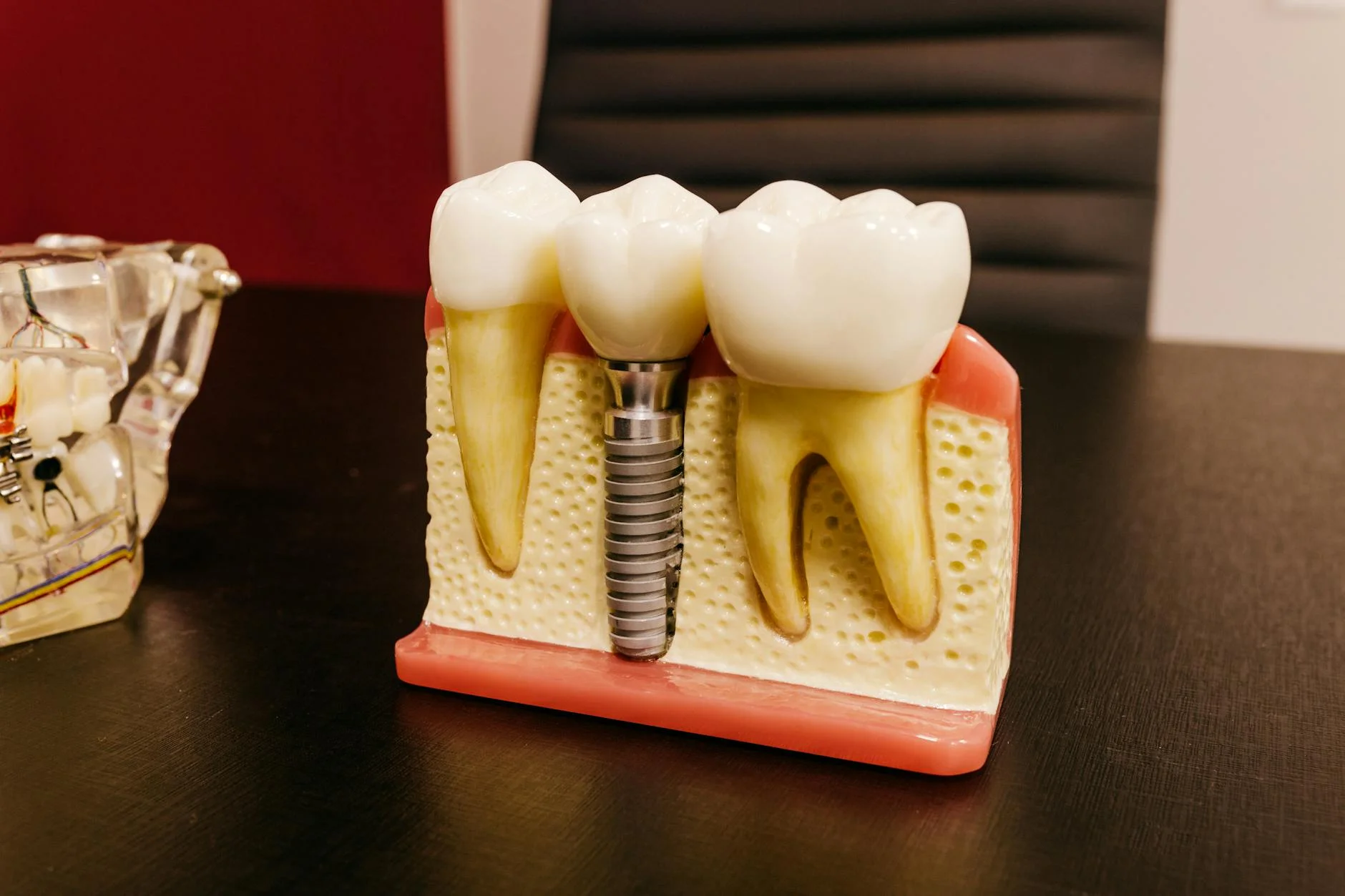
- Dental supplement is the most popular building block. The GKV only pays a fixed share for dental replacement, so crowns and implants can cost thousands of euros out of pocket.
- Hospital supplement gives you chief physician treatment and a single or twin room. Stiftung Warentest reviewed 72 tariffs in Finanztest 04/2026 with model customers aged 12 to 62.
- Outpatient packages include alternative medicine, vision aids and preventive checks. They pay off only if you actually use the services.
- Premiums depend heavily on age. Dental supplement starts at about 9 EUR per month, comprehensive bundles range from 25 to 60 EUR.
- Waiting periods and medical questions are standard. Three months general, eight months for dental replacement. Under section 19 VVG, wrong answers can void the contract.
- Comparison pays off. The premium gap between similar tariffs can reach several hundred euros per year.
What is supplementary health insurance in Germany?
Supplementary health insurance (German: Krankenzusatzversicherung) is a private policy that tops up your statutory health insurance (GKV, German: Gesetzliche Krankenversicherung). It pays for things the GKV does not, or only partly, cover: high-end dental work, single rooms in hospital, alternative medicine and travel emergencies abroad.
One thing matters: this is not full private insurance. You stay in the statutory system, and the supplement only kicks in for the building blocks you actually buy. If you switch to private health insurance (PKV) later, you usually do not need most of these supplements anymore.
For expats: if you arrived recently, you are very likely in the GKV, which means a dental supplement makes the most sense in the first year. More background on the German system on our private health insurance comparison page.
Heads up: This page is general information, not personal advice. Whether a specific plan fits your situation depends on many factors. Always read the contract conditions before you sign up.
GKV vs. supplementary cover: where is the difference?
The main benefits side by side. Ranges are based on typical contract conditions, the exact reimbursement is in your individual contract.
| Service | GKV only | With supplement |
|---|---|---|
| Dental replacement, crowns | fixed subsidy, typically 50 to 65 % with bonus booklet | up to 100 % possible (tariff dependent) |
| Implants | usually no subsidy | partial reimbursement (tariff dependent) |
| Chief physician treatment | not included | included (hospital supplement) |
| Single or twin room | multi-bed room standard | guaranteed (tariff dependent) |
| Alternative medicine / Heilpraktiker | no reimbursement | up to 80 % (tariff dependent) |
| Vision aids (glasses, contacts) | only children and severe cases | typical 150 to 600 EUR every 2 years |
| Daily sickness allowance | GKV pays 70 % gross, capped, time-limited | closes the gap to your net salary |
Ranges compiled by our editorial team from current contract terms across several insurers (as of May 22, 2026). Your actual reimbursement is determined by your individual contract.
Compare supplementary health plans
Enter a few basic details and see current tariffs. The comparison is free and non-binding. You do not enter bank or contract data until you have decided.
Building blocks in 2026
You do not have to buy everything at once. Most insurers let you pick the blocks you need and combine them as your situation changes.
Dental supplement
Hospital supplement
Outpatient package
Daily sickness allowance
Foreign travel cover
Long-term care supplement
How much does supplementary health insurance cost in 2026?
Honest answer: age matters most. German insurers use age reserves (Alterungsrueckstellungen), which makes early entry cheaper and late entry more expensive. Signing up at 30 is significantly cheaper than signing up at 55, for the same level of cover.
| Building block | Entry age 30 | Entry age 50 | Source |
|---|---|---|---|
| Dental supplement, entry | approx. 9 to 15 EUR / month | approx. 18 to 30 EUR / month | Market overview 2026 |
| Dental supplement, premium | approx. 25 to 45 EUR / month | approx. 50 to 90 EUR / month | Stiftung Warentest Finanztest 07/2025 |
| Hospital supplement | approx. 15 to 30 EUR / month | approx. 35 to 80 EUR / month | Stiftung Warentest Finanztest 04/2026 |
| Outpatient package | approx. 10 to 25 EUR / month | approx. 25 to 60 EUR / month | Market overview 2026 |
| Foreign travel cover | from approx. 9 EUR / year | from approx. 12 EUR / year | Market overview 2026 |
The figures are ranges from market reviews. Your individual premium depends on age, health status, level of benefits and any deductible. Only the specific offer for your situation is binding.
A practical tip from real conversations with new arrivals: if you are young and healthy, signing up earlier locks in a lower base premium for years. Wait until you actually need a crown and you may face a risk surcharge or even rejection.
What do independent reviewers say?
The main independent sources for supplementary health insurance in Germany are Stiftung Warentest, Finanztip and the consumer protection agencies (Verbraucherzentralen). They publish results regularly with named tariffs.
Stiftung Warentest, dental supplement
Stiftung Warentest, hospital supplement
Important: a "very good" rating only applies to the specific issue and the tariffs tested at that time. We mention these as reading references, not as a "Testsieger" badge.
Waiting periods, health questions and section 19 VVG
Most tariffs include three months of general waiting time and eight months for dental replacement, pregnancy or psychotherapy. During the waiting period you pay premiums, but the insurer does not pay benefits. Accidents are an exception, they are always covered immediately.
Before the contract is signed, the insurer asks medical questions. Under section 19 VVG (German Insurance Contract Act) you must answer fully and truthfully. Hiding a known condition can lead to a risk surcharge, contract rescission or, in serious cases, contestation for fraudulent misrepresentation. In a claim, the insurer might then refuse to pay.
Important: if you are unsure about a question, ask your statutory insurer for a list of your treatments. Accepting a risk surcharge is far better than fighting over disclosure later.
Tariffs "without medical questions" exist. They are usually more expensive and often have longer waiting periods or lower reimbursement limits. For people with serious pre-existing conditions, they can still be the best option.
Premium adjustments: what if the price goes up?
Private supplementary plans can raise premiums under section 203 VVG. The condition is that the calculation basis changed, for example because medical costs rose faster than expected or life expectancy shifted. An independent trustee has to approve the increase.
When you receive a premium adjustment, you have options. You can switch to a cheaper tariff at the same insurer (the law protects equivalent benefits) or use the special right of termination to leave the contract. The second option only makes sense if you are healthy and likely to be accepted elsewhere.
When is supplementary cover worth it?
Not in every situation. Here is a quick orientation, without pushing any particular plan.
Usually a good idea
- Foreign travel cover, almost always (very cheap).
- Dental supplement, especially with own teeth or family.
- Daily sickness allowance for self-employed and high earners.
- Hospital supplement if chief physician and quiet rooms matter to you.
Think twice
- Vision blocks if you rarely buy new glasses.
- "All-in-one" bundles with blocks you never use.
- Plans with low intro premiums that rise sharply after year three.
- Hospital supplement if a shared room is fine for you.
How to find the right tariff
- 1Clarify your need. Which gap do you want to close? Dental, hospital, alternative medicine or several blocks together?
- 2Gather your health history. List the diagnoses and treatments of the last three years. You will need them for the application.
- 3Compare. Look at several tariffs side by side. Pay attention to reimbursement levels, waiting periods and reimbursement caps in the first few years.
- 4Read the conditions. The fine print (AVB) matters more than the brochure. Look at waiting periods, sum caps in early years and renewal clauses.
- 5Submit your application. Answer medical questions carefully. When in doubt, ask the insurer to clarify the wording. It is easier to ask once than to fight later.
Frequently asked questions
Answers to the most common questions we receive. The same questions are also published as FAQPage schema for search engines.
1.What is supplementary health insurance in Germany and who needs it?
Supplementary health insurance (Krankenzusatzversicherung) is a private policy that pays for services your statutory health insurance (GKV) does not fully cover. Typical examples are high-end dental work, single rooms in hospital, alternative medicine and visual aids. It is most useful when you know there is a specific gap you want to close.
2.Which types of supplementary insurance exist in 2026?
The main building blocks are dental supplement (crowns, implants, prophylaxis), hospital supplement (chief physician, single or twin room), outpatient packages (alternative medicine, vision aids, preventive checks), daily sickness allowance for self-employed people, foreign travel cover and long-term care supplement. Most insurers let you combine these as a bundle.
3.How much does supplementary health insurance cost per month?
Premiums depend on age, health status, the level of benefits and any deductible. Entry-level dental supplement starts at about 9 EUR per month, comprehensive bundles range from 25 to 60 EUR. Hospital supplement starts around 15 EUR and can reach 80 EUR or more for premium plans (source: Stiftung Warentest Finanztest 04/2026, model customers aged 12 to 62).
4.How does the health questionnaire work?
Before signing the contract, the insurer asks medical questions. Under section 19 VVG (Versicherungsvertragsgesetz, the Insurance Contract Act) you must answer fully and truthfully. Wrong answers can lead to a risk surcharge, contract rescission or, in serious cases, contestation for fraudulent misrepresentation. Tariffs without medical questions exist but are usually more expensive or have longer waiting times.
5.What waiting periods apply after I sign up?
Standard waiting periods are three months for general benefits and eight months for dental replacement, pregnancy or psychotherapy. Some insurers waive the waiting period for a small surcharge. Accidents are always covered immediately, regardless of the waiting period.
6.Can the insurer raise my premium later?
Yes. Section 203 VVG allows premium adjustments when the calculation basis changes, for example due to rising medical costs or shifts in life expectancy. An independent trustee must approve the increase. You then have a special right of termination and can switch to a cheaper tariff at the same insurer within two months.
7.Do I need supplementary cover as an expat in Germany?
If you have statutory health insurance, you are well covered for the basics. Dental supplement often pays off in the first year because the GKV only covers a fixed share of dental replacement. Hospital and outpatient supplements are more of a long-term decision. Compare options before signing anything: meinetarife24.de gives you the trilingual context that other portals skip.
8.Where can I find independent test results?
Stiftung Warentest reviewed dental supplement plans in Finanztest 07/2025 (285 tariffs, 125 rated "very good") and hospital supplement plans in Finanztest 04/2026 (72 tariffs, model customers aged 12 to 62). Finanztip and the consumer protection agencies (Verbraucherzentralen) also publish independent guides.
Ready to compare?
Take your time with the current tariffs. No bank details required. Print the result and talk it through with your family if you want.
Last updated: May 22, 2026 · meinetarife24 Editorial Team · meinetarife24.de is independent and earns a commission from comparison partners. This does not influence the tariffs displayed.