meinetarife24.de
Car Insurance Guide 2026

What Does Car Insurance Mean in Germany: Save Costs 2026

Car insurance in Germany means mandatory liability protection plus optional extensions. Learn how tariffs work and save up to 850 euros annually with the right comparison.

TB

By meinetarife24 Editorial Team

Insurance editor, meinetarife24.de

Last updated: 16 May 20269 min read
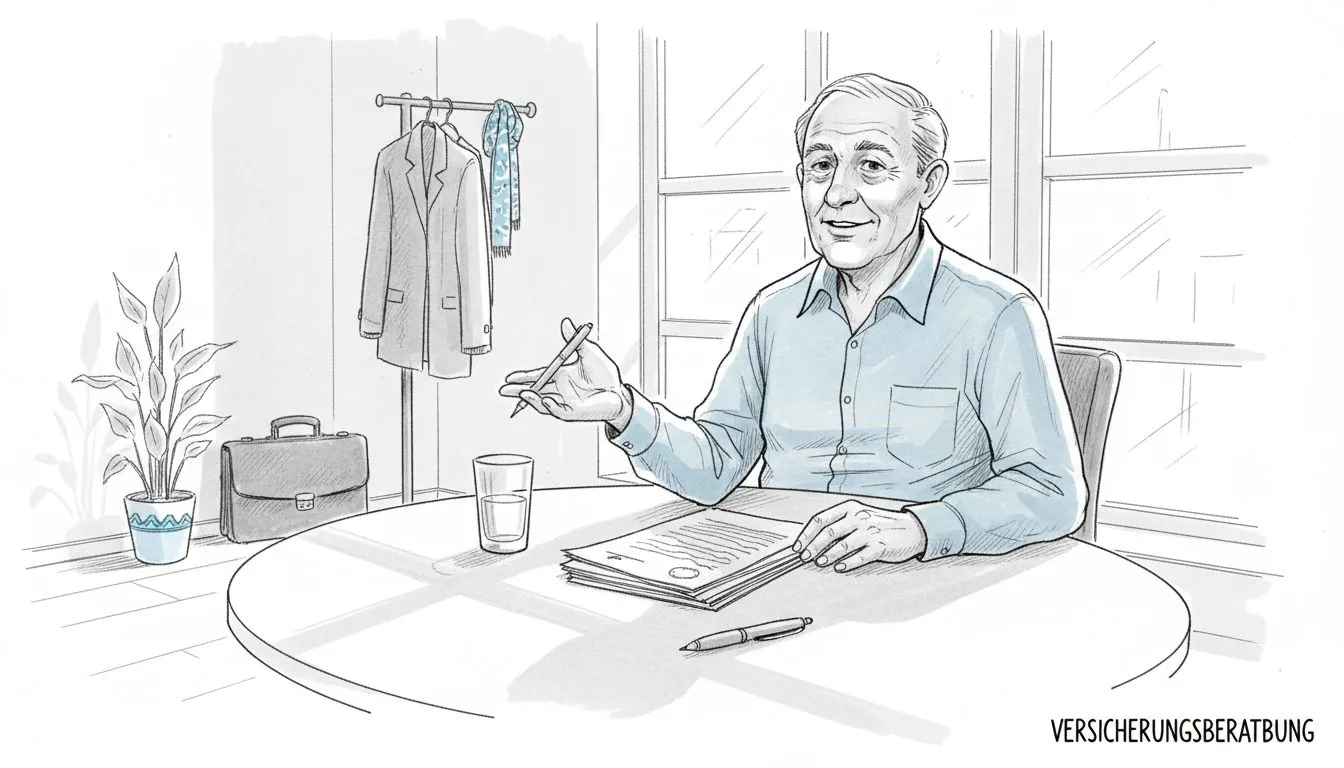
In the consultation room, the insurance broker explains the details of car insurance

Car insurance in Germany covers the damage you cause to other people on the road. Liability cover (Haftpflicht) is legally required, so your car cannot be registered without it. On top of that, you can add Teilkasko (partial) or Vollkasko (comprehensive) to protect your own vehicle. The catch is that most drivers overpay. They never compare, or they miss the November cancellation deadline and the contract simply rolls over for another year. This guide walks newcomers and expats through what car insurance actually means in Germany, which coverage fits which situation, and how a focused comparison can save up to 850 euros a year according to Verbraucherzentrale.

Key Takeaways

Point
Liability is mandatory

Liability car insurance is legally required in Germany and covers damage you cause to others. Without it, you cannot register your vehicle.

Tariffs vary widely

Your no-claims class, region, and driver age can influence the premium by up to 60 percent according to ADAC.

Add-ons increase costs

Partial and comprehensive coverage plus extras can raise the premium by 10 to 30 percent, warns Stiftung Warentest.

Watch cancellation deadlines

The regular cancellation deadline is November 30th. Special rights apply after premium increases or claims.

Save up to 850 euros yearly

Through targeted tariff comparison, German drivers can save up to 850 euros per year, reports Verbraucherzentrale.

German Insurance Terms in Plain English

You will see these German terms on every quote, contract and reminder letter. Knowing them upfront saves you from awkward calls with the Zulassungsstelle and the insurer.

Haftpflichtversicherung

Liability insurance — legally required, pays third parties for damage you cause.

Teilkasko

Partial coverage — adds theft, glass, wildlife, hail and storm protection for your own car.

Vollkasko

Comprehensive coverage — adds self-caused accident and vandalism damage on top of Teilkasko.

Schadenfreiheitsklasse (SF-Klasse)

No-claims class — your discount level. The more accident-free years, the lower your premium.

eVB-Nummer

Electronic insurance confirmation — a 7-character code the Zulassungsstelle needs before registering your car.

Selbstbeteiligung

Deductible — what you pay out of pocket on a claim. A higher number lowers your monthly premium.

Kuendigungsfrist

Cancellation deadline — usually one month before 30 November, otherwise the contract auto-renews.

Schadenfreiheitsrabatt-Bestaetigung

Written proof of your claim-free years — request it from your old insurer when you switch.

Basics of Car Insurance in Germany

Without valid liability car insurance, you are not permitted to drive your vehicle on public roads in Germany. This mandatory insurance protects you against financial claims from third parties when you cause an accident. According to the GDV (Gesamtverband der Deutschen Versicherungswirtschaft), liability insurance pays for damage to other vehicles, property, and medical costs when you are at fault.

Beyond the legally required liability cover, you can voluntarily add partial or comprehensive coverage. These extensions protect your own vehicle against different types of damage. The right choice depends on your vehicle value, how often you drive, and your risk tolerance.

The three main types of car insurance in Germany:

  • Liability insurance (Haftpflicht): Covers exclusively damage you cause to other people, vehicles, or property. Without this insurance, you cannot register your vehicle for road use. GDV reports minimum coverage of 100 million euros per personal injury case.
  • Partial coverage (Teilkasko): Additionally protects your own vehicle against theft, glass breakage, wildlife damage, fire, and natural events such as hail. Self-caused accidents are not covered.
  • Comprehensive coverage (Vollkasko): Provides the most extensive protection and also covers repair costs after self-caused accidents as well as vandalism. According to ADAC, this is especially worthwhile for new vehicles, leased cars, or high-value vehicles.

Each level builds on the previous one and raises your monthly or annual premium accordingly. For older vehicles worth less than 7,000 euros, ADAC typically recommends liability-only cover. You avoid paying for protection you may never need, and the saved premium often outweighs the small repair risk on an older car.

Tariff Types and Coverage Models

The differences between insurance types lie in the scope of coverage and the associated costs. While liability only covers third-party damage, partial and comprehensive coverage progressively extend protection to your own vehicle. According to Stiftung Warentet, add-on modules can increase your premium by 10 to 30 percent, so choose selectively based on your actual needs.

Insurance Type
Liability
Partial Coverage
Comprehensive

Add-on modules can increase the premium by 10 to 30 percent and should be chosen selectively based on your actual risk exposure and whether you already have similar coverage through other policies.

Common add-on modules at a glance:

  • Breakdown cover (Schutzbrief): Useful for frequent long-distance journeys or without automobile club membership. Costs typically 30-60 euros annually.
  • Driver accident protection (Fahrer-Unfallversicherung): Covers injuries to you as the policyholder. According to ADAC, this is often redundant with existing life insurance.
  • GAP coverage: Closes the gap between replacement value and remaining loan amount in case of total loss for financed or leased vehicles.
  • Workshop commitment: Reduces premium by up to 15 percent but limits your choice of repair shop to the insurer's network.

Pro Tip:

Compare the coverage of tariff types and coverage models across providers in detail. Stiftung Warentest research suggests it is often smarter to skip expensive add-ons and pick solid basic cover from a cheaper insurer instead.

A woman sits at the kitchen table reviewing different offers for her car insurance

Factors Influencing Car Insurance Costs

Your insurance premium is determined by several factors that reflect your individual risk profile. According to ADAC, the no-claims class influences the premium by up to 60 percent, while regional classes account for up to 25 percent of the cost difference between urban and rural areas.

The most important cost drivers ranked by impact:

1No-claims class (SF-Klasse): Every accident-free year improves your no-claims class and lowers your premium. After 30 claim-free years, you pay only about 30 percent of the base premium according to ADAC.
2Regional class: Your place of residence determines the regional class, as insurers evaluate claims statistics by postcode area. Munich vs. rural Bavaria can mean 500 vs. 375 euros annually.
3Driver age and experience: Drivers under 25 pay significantly higher rates because the statistical accident frequency in this age group is disproportionately high. Age 20 vs. 40 can mean 800 vs. 400 euros.
4Vehicle type and type class: Each vehicle model is assigned to a type class based on claims frequency, repair costs, and theft risk. Compact car vs. SUV: 300 vs. 420 euros annually.
5Annual mileage: The more kilometres you drive, the higher the accident risk. Always provide realistic mileage figures as underreporting can void coverage.

Real Premium Examples (Annual, EUR)

Driver ProfileLiability OnlyPartial CoverageComprehensive
New driver (age 23, SF-0, city)480 EUR780 EUR1,150 EUR
Experienced driver (age 40, SF-15, suburb)220 EUR380 EUR590 EUR
Safe driver (age 50, SF-30, rural)145 EUR260 EUR420 EUR
New car (age 30, SF-5, leased vehicle)350 EUR580 EUR890 EUR

Source: Premium examples based on typical German market rates. Actual quotes vary by insurer and individual factors.

A higher deductible (Selbstbeteiligung) noticeably lowers your premium. Choosing 500 euros instead of 150 euros deductible can reduce your annual cost by 10 to 20 percent, but means you pay more out of pocket if a claim occurs.

Common Mistakes German Drivers Make

According to Verbraucherzentrale, many drivers overpay simply because they do not understand their rights or miss deadlines. The no-claims class misconception alone leads to roughly 20 percent higher costs across the market.

Myth: The no-claims class is always preserved after a claim

Every reported claim worsens your no-claims class. After an accident, you are typically downgraded three to four SF-classes. For minor damage under 1,000 euros, it is often cheaper to pay out of pocket than to file a claim.

Myth: All add-on modules are worthwhile

Many extras sound attractive but can double your costs without providing real value. GAP coverage, for example, is essential for leased cars but redundant for owned vehicles worth less than the loan balance.

Myth: I can cancel anytime without deadlines

The regular cancellation period is one month before November 30th. Without timely cancellation, your contract automatically renews for another year.

Myth: The cheapest tariff is always the best choice

Budget providers sometimes cut corners on claims handling or customer service. A tariff that is 50 euros cheaper can cost you hundreds more in poor service quality when you actually need help.

Other costly mistakes to avoid:

  • Providing incorrect or incomplete information when signing up can lead to coverage exclusion or claim denial
  • Allowing other drivers to use your vehicle without informing the insurer violates contract terms
  • Reporting a claim too late can jeopardize your entitlements under the policy conditions
  • Choosing garage parking but not reporting it to your insurer means you pay more than necessary

Pro Tip:

Learn typical pitfalls in our guide to insurance switching mistakes. For the legal framework, German consumer associations like Verbraucherzentrale publish plain-language explainers worth reading before you cancel a policy.

Find Suitable Providers

Compare car insurance policies transparently and find the tariff that suits you best.

Compare Insurance

Notes for Expats and Non-EU Licence Holders

Most online guides assume you grew up in the German system. If you arrived from another country, three points usually trip people up.

1. Driving licence recognition

EU and EEA licences stay valid indefinitely. Non-EU licences (US, UK, Turkey, India and others) are usually valid for the first six months after your Anmeldung. After that, most non-EU drivers need to take the German theory and practical tests, although some countries (parts of the US, Switzerland) have partial reciprocity. Driving without a recognised licence can void your insurance retroactively.

2. Transferring your foreign no-claims years

German insurers may recognise claim-free years from a previous EU policy, but the conversion is not automatic. Bring a written confirmation from your former insurer (most issue it on request). For non-EU drivers, recognition varies widely. Some insurers give you a head start of three to five SF-classes if you can document accident-free driving abroad, others start you at SF-1/2 regardless. Always ask before signing.

3. Getting the eVB number quickly

The eVB number is what unlocks the Zulassungsstelle appointment. Online insurers usually email it within minutes once your quote is accepted. If you are new to Germany and have no Schufa yet, expect the insurer to ask for the first premium upfront rather than offering direct debit. That is not unusual and does not affect your rate.

Tip for expats: a comparison run shows you tariffs that work with international addresses and non-EU licences. Some insurers do not insure first-time international residents at all; comparison tools filter them out automatically so you do not waste time on quotes that fall through.

Switching and Cancellation Options

Switching to a more affordable insurer can save you several hundred euros per year, but it requires knowing the legal deadlines. The cancellation deadline is usually November 30th, while special cancellation rights apply after claims or premium increases of more than 5 percent.

How to cancel your car insurance correctly:

1Check your insurance year: Most contracts run January 1st to December 31st. Your cancellation deadline is November 30th.
2Use special cancellation rights: After a premium increase over 5 percent, you can cancel within one month of receiving the notification.
3Cancel in writing: Send the cancellation by registered mail or use online forms with delivery confirmation.
4Secure follow-up coverage: Conclude the new contract before the old one ends to ensure continuous protection.
5Transfer your no-claims class: Your new insurer takes over your SF-Klasse upon confirmation from the previous provider.

Special situations that trigger cancellation rights:

  • Vehicle sale: Cancel immediately and receive a pro-rata refund of your premium
  • Registration transfer: When the vehicle transfers to a new owner, the contract ends automatically
  • Total loss: The insurance ends when the vehicle is declared a total loss
  • Death of policyholder: The contract transfers to the estate but beneficiaries can cancel

A clean car insurance switch comes down to two things: hitting the deadline and picking a tariff that actually fits. The GDV industry association counts over 600 tariff variants on the German market, so genuine comparison is the only way to avoid overpaying out of sheer fatigue.

Practical Saving Tips and Tariff Comparison

A handful of concrete moves can cut your premium substantially. Verbraucherzentrale data points to savings of up to 850 euros a year through focused comparison, because prices vary widely between insurers for identical cover. The goal is not to find the absolute cheapest provider, but the one whose tariff matches your driving profile.

Saving tips ranked by impact:

Compare at least annually before November deadline
Increase your deductible from 150 to 500 euros
Limit drivers to experienced users only
Pay annually instead of monthly instalments
Report garage or carport parking
Enter realistic annual mileage accurately
Remove unnecessary add-on modules
Bundle contracts with one insurer for multi-policy discounts
Overview: How to save on your car insurance - The best saving tips at a glance

meinetarife24 surfaces complex tariff structures in a format you can actually read. Run a cheap car insurance 2026 check or a systematic car insurance comparison 2026 that weighs every relevant factor. The platform draws on Germany's established comparison stacks (CHECK24 and Tarifcheck) so the underlying tariffs are the same ones professional brokers see.

Preparing for the switch:

  • Have your vehicle registration document (Fahrzeugschein) and driving licence ready
  • Note your current SF-class and insurance policy number
  • Check the cancellation deadline of your existing contract
  • Provide a valid email address for fast communication

Save on Car Insurance with meinetarife24

Now that you understand how car insurance works in Germany, you can take targeted action. meinetarife24 offers free access to comprehensive tariff comparisons that transparently present all relevant providers.

The platform draws on established German comparison stacks (CHECK24 and Tarifcheck) so you see the same tariffs a broker would quote. The car insurance price comparison tells you in two minutes whether several hundred euros are sitting unclaimed. The broader insurance comparison stretches beyond car cover into health, liability and other lines worth checking once a year.

Compare Now
meinetarife24.de - Compare car insurance and save

Frequently Asked Questions

Read in another language

Ready for Your Car Insurance Comparison?

Use our comparison portal and find the most affordable car insurance for your vehicle.

Find Suitable Providers